Understanding Masonry Contractor Roles Across Different Project Scales
Masonry plays a foundational role in construction, influencing both the structural integrity and visual appeal of buildings across residential and commercial settings. From durable brick facades to intricate stonework, the work performed by a masonry contractor shapes how a property looks, functions, and withstands the elements over time. While the core techniques remain consistent, the application of those skills varies widely depending on the type of project being completed. This distinction becomes especially important when comparing residential work to larger commercial builds.
A masonry contractor working on a home often focuses on personalization, detail, and how each feature contributes to the overall character of the property. In contrast, commercial work emphasizes scalability, compliance with regulations, and long-term durability under heavier use. Each environment brings its own expectations, timelines, and material considerations. Understanding these differences helps property owners and developers make informed decisions when planning construction or renovation work.
Choosing the right masonry contractor can influence not just the final appearance of a project, but also its efficiency and longevity. A contractor familiar with the demands of the specific project type can better anticipate challenges and provide solutions that align with the scope of work. By exploring how residential and commercial masonry differ, it becomes easier to identify the right approach for achieving strong, lasting results.
Exploring Residential Masonry Project Applications
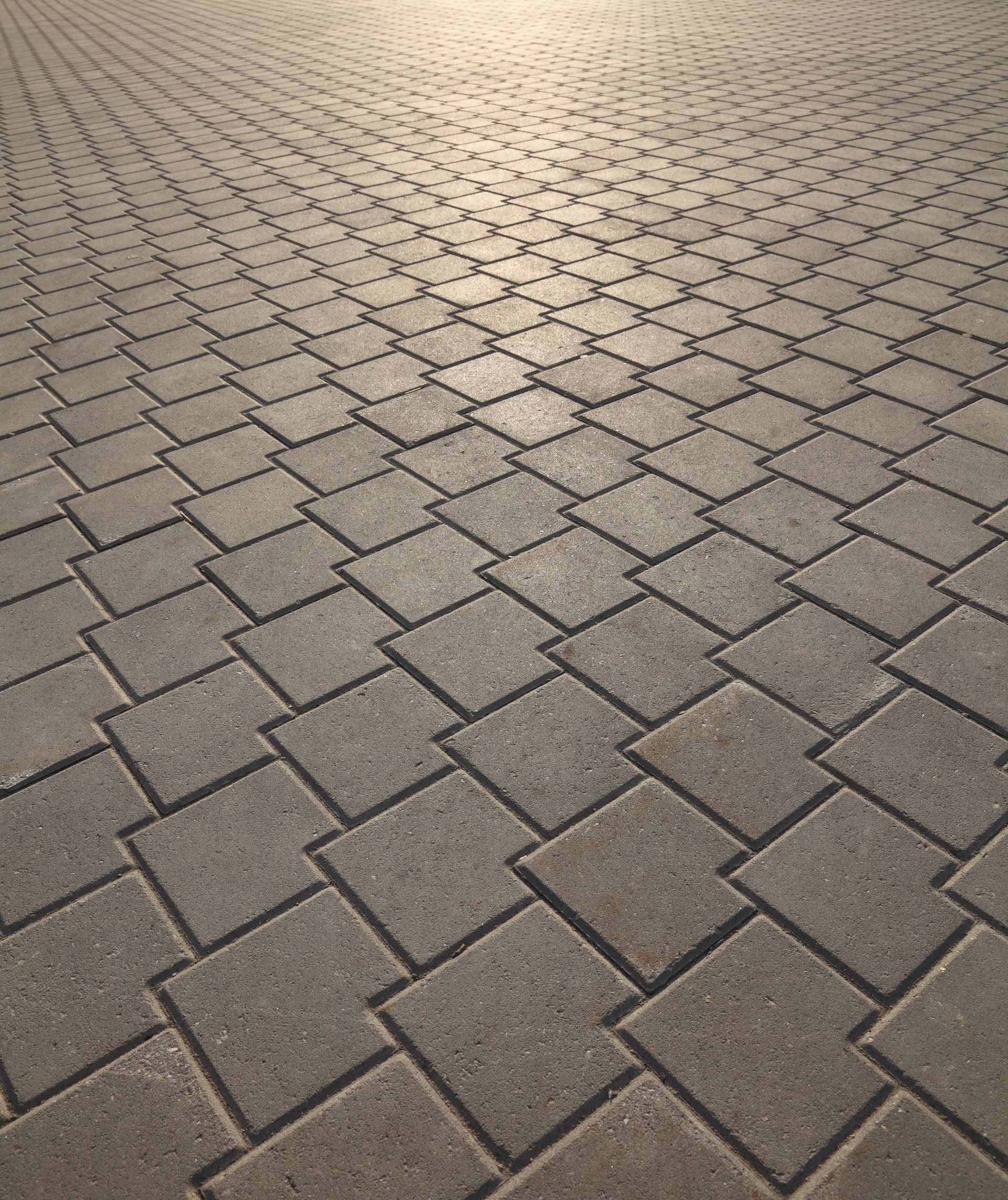
Residential masonry projects typically revolve around enhancing both function and appearance within a home setting. Common applications include patios, walkways, driveways, retaining walls, and exterior facades that elevate curb appeal. These features contribute to a property's value while also improving usability for everyday living. A masonry contractor working in residential spaces often collaborates closely with homeowners to align the finished product with personal style preferences and the surrounding landscape.
Interior masonry elements also play a role in residential construction, with fireplaces, accent walls, and structural supports adding character and warmth to living spaces. These features require careful craftsmanship, as they must balance visual appeal with safety and durability. Homeowners often seek distinctive designs that reflect their tastes, making customization a central focus in residential work. This level of personalization sets residential masonry apart from more standardized commercial applications.
Sustainability is becoming an increasing priority in residential construction, influencing material selection and design choices. Reclaimed brick, locally sourced stone, and environmentally conscious building methods are gaining popularity. According to Statista, the number of masonry workers in the United States is expected to increase to 326,600 in 2026. This projected growth reflects ongoing demand for skilled labor, particularly as more homeowners invest in durable and visually appealing masonry features.
Selecting Masonry Materials for Residential Projects
Material selection plays a significant role in determining the outcome of residential masonry work. Brick remains a widely used option due to its classic appearance, durability, and ability to complement various architectural styles. It offers benefits such as fire resistance and sound insulation, making it a practical choice for both interior and exterior applications. A masonry contractor may recommend brick for projects where longevity and low maintenance are priorities.
Stone is another popular material, valued for its natural beauty and long-lasting performance. Options such as limestone, granite, and slate allow homeowners to create distinctive features that blend with outdoor environments. Stone is often used for patios, garden paths, and accent walls, providing a sense of permanence and texture. Its ability to withstand harsh weather conditions makes it especially appealing in regions with fluctuating climates.
Concrete offers versatility and affordability, making it a practical solution for many residential applications. It can be shaped, stamped, or stained to achieve a wide range of finishes, mimicking more expensive materials while maintaining cost efficiency. A masonry contractor may suggest concrete for driveways or high-traffic areas where durability is essential. The adaptability of these materials allows homeowners to balance aesthetics, performance, and budget effectively.
Designing Custom Masonry Features for Homes
Customization is a defining aspect of residential masonry, allowing homeowners to create spaces that reflect their preferences and lifestyle. Unique patterns, textures, and color combinations can transform standard features into standout design elements. A masonry contractor often works closely with clients to develop plans that align with their vision while maintaining structural integrity. This collaborative approach results in spaces that feel both functional and visually distinctive.
Aesthetic considerations often guide decision-making in residential projects, with homeowners seeking to enhance the overall atmosphere of their property. Whether creating a rustic outdoor retreat or a sleek modern patio, masonry offers flexibility in design. Decorative details such as inlays, borders, and custom finishes add depth and character. These elements contribute to a cohesive look that ties together different parts of the home.
Integration with the surrounding environment is another important factor in residential design. Thoughtful planning allows masonry features to complement existing structures and landscaping. A masonry contractor may recommend materials and layouts that blend naturally with the property's setting. This approach creates harmony between built elements and the environment, resulting in a more balanced and appealing outcome.
Understanding Commercial Masonry Project Requirements
Commercial masonry projects operate on a much larger scale, often involving office buildings, retail centers, and industrial facilities. These projects require extensive planning, coordination, and resource management. A masonry contractor working in this space must handle complex logistics while maintaining strict timelines and quality standards. The scale of these projects introduces additional challenges compared to residential work.
Structural performance and compliance with building codes take priority in commercial construction. Materials and techniques must meet rigorous standards to support larger loads and ensure occupant safety. A masonry contractor must stay current with industry regulations and advancements to deliver work that aligns with these requirements. This level of precision is essential for maintaining the integrity of commercial structures.
Coordination with other construction teams is another critical aspect of commercial masonry. Contractors must work alongside engineers, architects, and other trades to keep projects on schedule. Effective communication and planning contribute to smoother execution and fewer delays. The ability to manage these moving parts distinguishes successful commercial masonry operations.
Applying Materials and Standards in Commercial Construction
Material selection in commercial masonry is driven by performance, durability, and regulatory compliance. Reinforced brick, high-strength concrete, and steel-supported systems are commonly used to meet structural demands. A masonry contractor must understand how these materials interact to create stable and long-lasting buildings.
Compliance with industry standards plays a central role in commercial projects. Building codes dictate everything from fire resistance to load-bearing capacity, influencing both material choices and construction methods. A masonry contractor must navigate these requirements carefully to meet legal obligations and maintain safety standards.
Sustainability is also gaining traction in commercial construction, with many projects incorporating environmentally conscious materials. Recycled content, energy-efficient designs, and responsible sourcing practices are becoming more common. These considerations reflect a broader shift toward sustainable building practices within the industry.
Selecting the right masonry contractor involves evaluating experience, project type, and long-term goals. Residential and commercial projects each require a tailored approach, and understanding these differences can help guide decision-making. From material selection to project management, every aspect contributes to the outcome.
Taking the time to research options, review past work, and communicate expectations clearly can lead to a smoother experience. A
masonry contractor who aligns with the project's scope and vision can help bring ideas to life while maintaining structural integrity and performance.
If you are planning a masonry project, now is the time to connect with a qualified masonry contractor at Precision Masonry.